
Sukkah
Why does the Torah move us from Yom Kippur towards Sukkot, into the sukkah? The Maor VaShemesh calls it the tzila d’meheimnuta, the shade of faith. After the purification of Yom Kippur, we can receive God’s light only me’at me’at, little by little. The days of preparation and the week in the sukkah lead us toward the deeper deveikut of Shemini Atzeret.
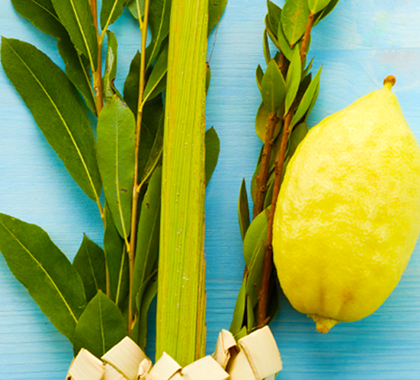
Arba Minim
Having prayed to be inscribed and sealed for life, we take the arba minim on Sukkot. The Maor VaShemesh reads their names as a way of drawing down chesed for banei, chayei u’mezonei: children, life, and sustenance. Through the Four Species, we ask that dinim, harsh judgments, be softened at their source and that Divine mercy flow into the year ahead.
Use this source sheet for further exploration, complete with footnoted sources and a concise, footnoted bio of R. Kalonymus Kalman Epstein (Ma’or Va-Shemesh) to enjoy this teaching at your own pace, perfect for self-learners.
Prepared by Rabbi Shalom (Saul) Orbach
The Ma’or Va-Shemesh is a classic Hasidic commentary on the weekly portions and festivals by R. Kalonymus Kalman Epstein of Kraków (1751-1823). A foremost later disciple, and for years the Shamash, of R. Elimelech of Lizhensk, he emerged after his rebbe’s passing as a leading figure in the fourth generation of Chassidut and of Polish Hasidism. His Torah blends close reading of the Psukim with mystical depth, emphasizing Dvekut, heartfelt prayer, joy, and sanctifying the everyday, with a hallmark leadership ethic: the tzaddik sweetens judgment into mercy and draws people close.