
Medieval Jewish Thinkers
THIS IS A WEBYESHIVA.ORG MACHSHAVA MASTERY PROGRAM COURSE. FOR MORE INFORMATION ABOUT THE MACHSHAVA MASTERY PROGRAM OR TO APPLY PLEASE CLICK HERE.
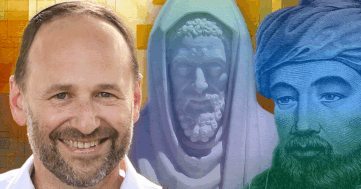
This course with Rabbi Mark Smilowitz will study the classic works that are the pillars of Medieval Jewish thought. Medieval Jewish thinkers developed various systems of Jewish thought in order to help Jews grapple with confusion about Jewish belief. Such confusion often arose from interaction with religious and intellectual movements such as Christianity, Islam, Karaism, Aristotelian rationalism, and others. The various Jewish approaches developed in these writings remain important for Jews today, since many of the questions they discuss persist despite the differences between modern and Medieval conceptions of the world.
The course will focus on mastering the most important ideas of three books, The Book of Doctrines and Beliefs of Rav Saadaya Gaon, The Book of the Kuzari by Rav Yehuda Halevi, and The Guide to the Perplexed by Rambam. Additional attention will be given to works by Rabbeinu Bahya ibn Pekuda, Rav Hasdai Crescas, and Rav Yosef Albo. Issues to be explored in the course include the relationship between reason and revelation, the nature of belief in God, the meaning and significance of the commandments, the nature of prophecy, Jewish particularism and universalism, divine providence and the problem of evil, and more.

 Timezone
 Time of Class
October 18, 2026 3:00 pm - 4:00 pm
Medieval Jewish Thinkers: Lesson 2
Medieval Jewish Thinkers: Lesson 2
Class description
Introduction to Rav Saadya Gaon’s Book of Beliefs and Opinons ספר האמונות והדעות
Handouts
October 25, 2026 4:00 pm - 5:00 pm
Medieval Jewish Thinkers: Lesson 3
Medieval Jewish Thinkers: Lesson 3
Class description
Rav Saadya Gaon on the sources of our knowledge and the reliable tradition
Handouts
November 1, 2026 4:00 pm - 5:00 pm
Medieval Jewish Thinkers: Lesson 4
Medieval Jewish Thinkers: Lesson 4
Class description
Rasag on creation, proof of God’s existence, and God’s attributes
November 8, 2026 4:00 pm - 5:00 pm
Medieval Jewish Thinkers: Lesson 5
Medieval Jewish Thinkers: Lesson 5
Class description
Rasag on the rationality of the commandments
November 15, 2026 4:00 pm - 5:00 pm
Medieval Jewish Thinkers: Lesson 6
Medieval Jewish Thinkers: Lesson 6
Class description
Rasag on redemption and reason
November 22, 2026 4:00 pm - 5:00 pm
Medieval Jewish Thinkers: Lesson 7
Medieval Jewish Thinkers: Lesson 7
Class description
Rabbeinu Bahya on reason and the commandments
November 29, 2026 4:00 pm - 5:00 pm
Medieval Jewish Thinkers: Lesson 8
Medieval Jewish Thinkers: Lesson 8
Class description
Rabbeinu Bahya on proof of God
December 6, 2026 4:00 pm - 5:00 pm
Medieval Jewish Thinkers: Lesson 9
Medieval Jewish Thinkers: Lesson 9
Class description
Introduction to Rav Yehuda Halevi’s (Rihal’s) Book of the Kuzari
December 13, 2026 4:00 pm - 5:00 pm
Medieval Jewish Thinkers: Lesson 10
Medieval Jewish Thinkers: Lesson 10
Class description
Rihal on the perfection of man and Jewish particularism
December 20, 2026 4:00 pm - 5:00 pm
Medieval Jewish Thinkers: Lesson 11
Medieval Jewish Thinkers: Lesson 11
Class description
Rihal on the nature of the commandments
December 27, 2026 4:00 pm - 5:00 pm
Medieval Jewish Thinkers: Lesson 12
Medieval Jewish Thinkers: Lesson 12
Class description
Rihal on individualism and collectivism
January 3, 2027 4:00 pm - 5:00 pm
Medieval Jewish Thinkers: Lesson 13
Medieval Jewish Thinkers: Lesson 13
Class description
Rihal’s critique of philosophy and Kalam
January 17, 2027 4:00 pm - 5:00 pm
Medieval Jewish Thinkers: Lesson 14
Medieval Jewish Thinkers: Lesson 14
Class description
Rihal’s approach to uniqueness of the Hebrew language and the land of Israel
January 24, 2027 4:00 pm - 5:00 pm
Medieval Jewish Thinkers: Lesson 15
Medieval Jewish Thinkers: Lesson 15
Class description
Introduction to Rambam’s Guide to the Perplexed
January 31, 2027 4:00 pm - 5:00 pm
Medieval Jewish Thinkers: Lesson 16
Medieval Jewish Thinkers: Lesson 16
Class description
Rambam on the intellect and the image of God
February 7, 2027 4:00 pm - 5:00 pm
Medieval Jewish Thinkers: Lesson 17
Medieval Jewish Thinkers: Lesson 17
Class description
Rambam’s interpretation of the Garden of Eden story and the structure of the human soul
February 14, 2027 4:00 pm - 5:00 pm
Medieval Jewish Thinkers: Lesson 18
Medieval Jewish Thinkers: Lesson 18
Class description
Rambam on divine providence and the problem of evil
February 21, 2027 4:00 pm - 5:00 pm
Medieval Jewish Thinkers: Lesson 19
Medieval Jewish Thinkers: Lesson 19
Class description
Rambam on creation and proof of God’s existence
February 28, 2027 4:00 pm - 5:00 pm
Medieval Jewish Thinkers: Lesson 20
Medieval Jewish Thinkers: Lesson 20
Class description
Rambam on prophecy
March 7, 2027 4:00 pm - 5:00 pm
Medieval Jewish Thinkers: Lesson 21
Medieval Jewish Thinkers: Lesson 21
Class description
Rambam on our conception of God
March 14, 2027 4:00 pm - 5:00 pm
Medieval Jewish Thinkers: Lesson 22
Medieval Jewish Thinkers: Lesson 22
Class description
Rambam’s view of the meaning of the commandments
March 21, 2027 4:00 pm - 5:00 pm
Medieval Jewish Thinkers: Lesson 23
Medieval Jewish Thinkers: Lesson 23
Class description
The reactions to and controversies around Rambam’s philosophy
March 28, 2027 3:00 pm - 4:00 pm
Medieval Jewish Thinkers: Lesson 24
Medieval Jewish Thinkers: Lesson 24
Class description
Rav Hasdai Crescas and Rav Yosef Albo on the meaning of the commandments
April 4, 2027 3:00 pm - 4:00 pm
Medieval Jewish Thinkers: Lesson 25 (final lesson)
Medieval Jewish Thinkers: Lesson 25 (final lesson)
Class description
Review and conclusions

Rabbi Mark Smilowitz was ordained at Yeshiva University and earned his doctorate at the Hebrew University of Jerusalem for his thesis about the relationship between Halakhah and philosophy in the thought of Rabbi Joseph B. Soloveitchik. He has taught Judaic studies in schools and seminaries for over twenty years in Teaneck, Seattle, Beit Shemesh, and Jerusalem. Rabbi Smilowitz lives in Beit Shemesh with his wife Michelle and their family.